
The mind game exploring the psychology behind gambling decisions
The Allure of Risk and Reward
The psychology of gambling is deeply intertwined with the human attraction to risk and reward. Many individuals find themselves drawn to the thrill of potentially winning large sums of money, which can create an exhilarating high. This rush stems from the brain’s reward system, where dopamine is released during moments of anticipation and excitement. Interestingly, players may discover a viable option through australian casino online platforms that offer opportunities for both engagement and chance. The unpredictable nature of gambling provides a unique cocktail of emotions that keeps players engaged, regardless of the outcomes.
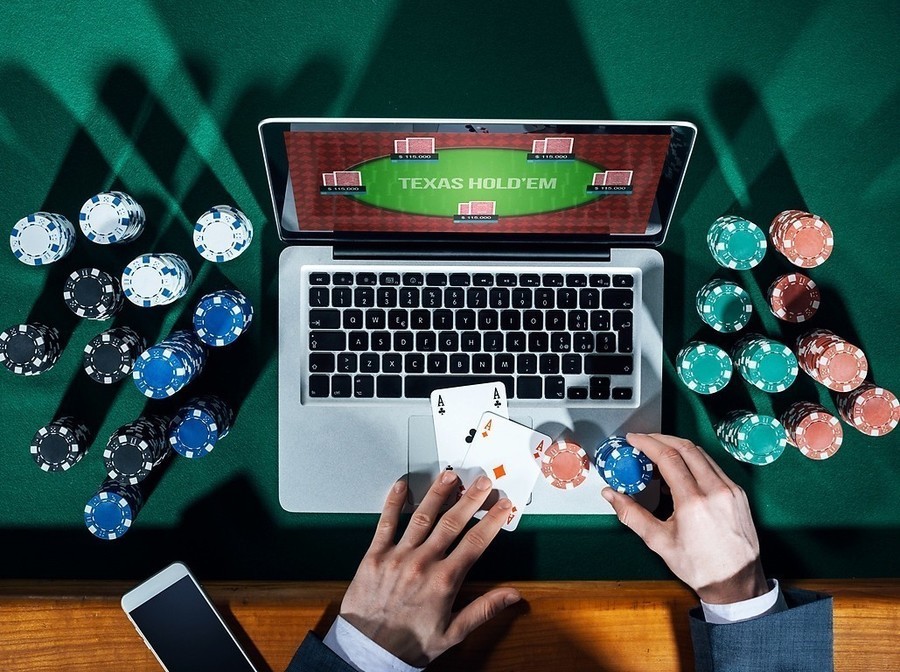
This allure is not merely about financial gain; it’s also about the psychological benefits of engaging in risky behaviors. The excitement associated with gambling can serve as an escape from everyday stressors, offering players a temporary relief from reality. Understanding this aspect of gambling psychology reveals why so many individuals are willing to take the plunge, often overlooking the odds stacked against them.
The Cognitive Dissonance of Gamblers
Cognitive dissonance plays a significant role in gambling behavior. Gamblers often face a conflict between their rational understanding of odds and the irrational hope that they will be the exception to the rule. This dissonance can lead individuals to make decisions that contradict their better judgment, such as chasing losses or believing in ‘hot streaks.’ The mind attempts to reconcile these conflicting thoughts, often leading to biased decision-making processes.
Moreover, this cognitive dissonance can manifest in the form of superstitions and rituals. Many gamblers develop personal beliefs or habits that they believe will influence the outcome of their bets, from lucky charms to specific routines. These behaviors can enhance the gambling experience, providing a sense of control in an otherwise unpredictable environment.
The Role of Social Influence
Social factors significantly impact gambling decisions. The environment in which individuals gamble can shape their behaviors and choices, often leading them to take risks they might not consider in isolation. Peer pressure, social norms, and communal experiences can enhance the thrill of gambling, making individuals more likely to engage in risky behaviors when surrounded by others.
Additionally, social media has transformed the landscape of gambling, as individuals share their experiences and successes online. This visibility can create a false sense of security, encouraging others to participate in gambling under the impression that winning is more common than it truly is. The desire to fit in and be part of a community can drive people to make impulsive decisions that they might otherwise avoid.
The Impact of Emotion and Mood
Emotions play a pivotal role in gambling decisions, influencing both the frequency and the type of bets placed. Individuals often gamble to elevate their mood or alleviate feelings of sadness and boredom. Emotional states can cloud judgment, leading to riskier decisions during periods of high excitement or despair. This connection between mood and gambling behavior highlights the need for self-awareness among gamblers.
Moreover, emotional gambling can result in a vicious cycle. An individual may gamble to escape negative emotions, but losses can exacerbate these feelings, leading to further gambling in an attempt to recover losses. Recognizing this cycle is crucial for those who find themselves trapped in unhealthy gambling habits, emphasizing the importance of emotional regulation in making sound decisions.

Exploring Responsible Gaming Practices
Understanding the psychology behind gambling decisions is essential for promoting responsible gaming practices. Recognizing the mental triggers that lead to impulsive behavior can help individuals create strategies to manage their gambling habits effectively. Education on the odds and risks involved can foster more informed decision-making, allowing players to enjoy gambling while minimizing potential harm.
This website aims to provide valuable resources and insights into the psychology of gambling. By exploring the intricate dynamics of human behavior, we hope to empower individuals to make healthier choices and enhance their gaming experiences. Engaging with this content can lead to a deeper understanding of not just gambling, but also the broader implications of decision-making in high-stakes scenarios.